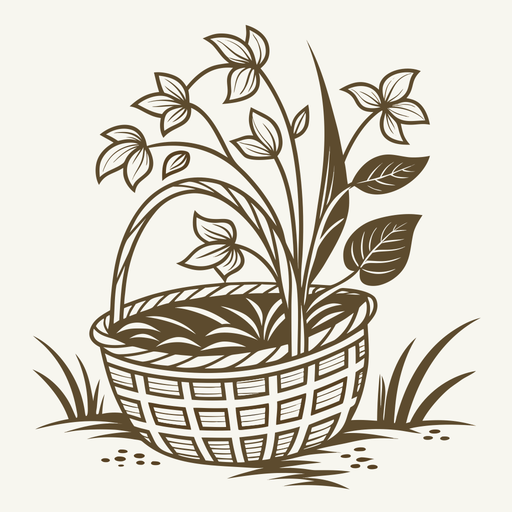
Water hyacinth hampers are more than just storage solutions; they represent a commitment to sustainability and craftsmanship. As a buyer, you seek not only competitive pricing but also quality and ethical sourcing. Our baskets, made from the invasive water hyacinth plant, offer a unique opportunity to harness an environmentally challenging resource for good. With a robust supply chain in Central Java, we ensure every piece meets stringent quality standards while supporting local communities.
Materials and Craftsmanship
Water hyacinth, known scientifically as Eichhornia crassipes, is the primary material in our hampers. This plant, often found in Indonesia’s rivers and lakes, is invasive outside its native Amazon Basin. By using it, we turn an environmental problem into a solution. Our baskets are handwoven by artisans in small workshops, who transform dried stems into durable and attractive products. The weaving process involves twisting the stems into ropes and crafting them over metal or rattan frames. This ensures each basket has a sturdy structure. The natural honey-brown tone of untreated water hyacinth adds a warm, organic aesthetic to any space. Buyers can expect a range of products, including storage and laundry baskets, each with potential for customization in size and design.
Pricing and Order Quantities
Our water hyacinth hampers are competitively priced, with wholesale costs ranging from US$0.50 to US$6.50 per piece, depending on complexity and order size. For instance, plain traditional baskets start at about US$0.50 per piece for orders of 300 or more, while more elaborate designs like foldable baskets with handles reach up to US$6.50. We cater to various business needs, requiring minimum order quantities (MOQs) of 200 to 500 pieces per design. These MOQs ensure we can maintain quality while offering affordable pricing. Buyers can explore custom sizes and designs to suit their specific market demands, ensuring flexibility in product offerings.
Quality and Compliance
Quality assurance is a cornerstone of our production. Each basket undergoes rigorous checks to ensure smooth weaving, uniform colour, and absence of defects such as cracks or mould spots. Given the natural fibre, moisture control is critical; thus, all baskets are thoroughly dried and stored in low-humidity conditions. Our products comply with Indonesia’s homeware and handicraft regulations, including necessary customs, fumigation, and phytosanitary requirements. Buyers often request pre-shipment inspections, which can include photographs or third-party reports to confirm quality before dispatch. This transparency helps build confidence among international clients.
Environmental Responsibility
We pride ourselves on transforming an invasive species into a valuable resource. Water hyacinth hampers are marketed as eco-friendly, as they reduce reliance on other natural fibres like rattan. Ethical sourcing is paramount, and we work with local communities to harvest water hyacinth from infested waterways responsibly. This practice supports environmental conservation while providing income for local artisans. Buyers are encouraged to verify the sustainability of harvesting practices, aligning with global standards for responsible sourcing. This commitment to sustainability resonates with eco-conscious consumers worldwide.
End Uses and Market Appeal
Water hyacinth hampers serve a variety of functions in homes and businesses. Common uses include storage for clothes, towels, toys, magazines, and kitchen items. These baskets also make attractive decorative pieces, ideal for covering plant pots or adding a rustic touch to interior design. The versatility of these products appeals to a broad market, from home décor brands to hospitality projects. Retailers appreciate the aesthetic and functional benefits, which are reflected in retail prices ranging from US$50 to US$190 for sets of 2-4 pieces. This price point offers a significant markup over wholesale costs, making them a profitable addition to any product line.
Customisation and Design Options
Our export house offers extensive customisation options to meet diverse buyer needs. Clients can specify dimensions, shapes, handles, lids, and lining fabrics. Popular shapes include round, oval, square, and rectangular. This flexibility allows buyers to tailor products to their market, enhancing appeal and differentiation. We typically offer at least two size options per model, with custom dimensions available upon request. This adaptability ensures that our water hyacinth hampers can complement any interior style, from minimalistic to bohemian, catering to a wide range of consumer preferences.
Logistics and Export Considerations
Exporting from Indonesia involves meticulous planning to meet international standards. Water hyacinth baskets are classified under homeware/handicraft HS codes and require compliance with the importing country’s phytosanitary and fumigation rules. Packaging is crucial to prevent damage during transit; each basket is wrapped in polypropylene bags, nested, and packed in multilayer corrugated cartons with corner protection. Lead times vary based on weaving capacity and raw material drying, so buyers should confirm timelines with suppliers. Our experience in global shipping ensures smooth logistics, with tens of thousands of shipment records attesting to our reliability.
Competitive Market Landscape
The water hyacinth basket market is mature and competitive, with numerous brands and suppliers worldwide. Export statistics show tens of thousands of shipments, reflecting robust demand and a diverse buyer base. Brands like McGee & Co. and Two’s Company exemplify the international reach of these products. As a buyer, navigating this landscape requires awareness of pricing, quality, and supplier reputation. Our expertise and commitment to quality position us as a trusted partner in this dynamic market. Buyers can leverage our experience to secure high-quality products that meet their business goals.
Community and Economic Impact
Our operations extend beyond just producing baskets; they play a crucial role in community development. By employing local artisans, we contribute to the economic growth of Central Java, providing stable income and skill development opportunities. Artisans are trained in traditional weaving techniques, ensuring the preservation of cultural heritage while also enabling them to innovate with modern designs. This dual focus on tradition and innovation not only enhances product quality but also empowers communities, allowing them to thrive in a global market. The income generated from basket weaving supports families, funds education, and improves living standards, creating a ripple effect of positive economic impact.
Trends and Innovations in Design
The design landscape of water hyacinth baskets is ever-evolving, influenced by global trends and consumer preferences. Recent years have seen a surge in demand for multifunctional designs that blend aesthetics and utility. Innovations include baskets with integrated lids, collapsible structures for easy storage, and hybrid designs that combine water hyacinth with other materials like cotton or leather. These innovations cater to a diverse range of interior styles, from the modern minimalist to the eclectic bohemian. Staying ahead of these trends ensures that our products remain relevant and appealing, providing buyers with fresh options that meet the evolving tastes of consumers worldwide.
In conclusion, our water hyacinth hampers offer a compelling blend of sustainability, craftsmanship, and market appeal. We invite you to contact us to discuss your specific needs and explore our range of products. Together, we can create bespoke solutions that enhance your offerings and delight your customers.
Biodegradable Baskets Export Demand 2027
The global demand for biodegradable products is projected to steadily increase as consumers become more environmentally conscious. Water hyacinth baskets, particularly those handwoven in Central Java, Indonesia, are expected to see a significant rise in export demand by 2027. These baskets are crafted from the invasive water hyacinth plant, which is ethically harvested from infested waterways. This not only helps control the plant’s spread but also provides a sustainable raw material for basket weaving.
Currently, these baskets are sold wholesale at prices ranging from US$0.50 to US$6.50 per piece, ex-factory. The economic advantage and environmental benefits position them as an attractive option for international buyers seeking eco-friendly home décor solutions. Export markets primarily include home décor brands and furniture stores, which value the baskets for their sustainability and aesthetic appeal.
As awareness grows regarding the ecological impact of invasive species, water hyacinth baskets offer a dual benefit: supporting local economies in Indonesia and providing an environmentally responsible product for global markets. With export experience dating back to the early 2000s, Central Java’s small and medium-sized enterprises are well-prepared to meet the rising international demand for these biodegradable baskets. The potential for growth in this sector is substantial, given the increasing emphasis on sustainable and ethical consumer goods worldwide.
Eco-Friendly Home Decor Innovations
in eco-friendly home décor, water hyacinth baskets are at the forefront of innovation. These baskets are not only functional but also serve as a sustainable option for consumers seeking to reduce their environmental footprint. Crafted by local weaving communities in Central Java, they transform an invasive plant into a versatile home accessory, suitable for storage, decoration, and organization.
The use of water hyacinth, an invasive species, is a prime example of how ecological challenges can be turned into opportunities. By harvesting this plant, local artisans mitigate its environmental impact while creating a product that aligns with modern sustainability trends. The baskets’ natural aesthetic and durability make them a popular choice for eco-conscious consumers worldwide.
Innovations in design and functionality continue to emerge, with artisans exploring new weaving techniques and patterns to cater to diverse consumer preferences. As the demand for green products rises, these baskets exemplify how traditional craftsmanship can evolve to meet contemporary sustainability needs. By integrating eco-friendly practices with artistic design, water hyacinth baskets represent the future of sustainable home décor.
Zero-Plastic Packaging for Baskets
As the movement towards sustainability gains momentum, zero-plastic packaging has become a significant focus for manufacturers of water hyacinth baskets. These baskets, primarily exported from Central Java, Indonesia, are now being packaged in environmentally friendly materials to further minimize their ecological impact. The shift to zero-plastic packaging aligns with the growing consumer demand for sustainable products and packaging solutions.
Producers are exploring various alternatives, such as using recycled paper, biodegradable materials, and natural fibers, to package their products without relying on plastic. This change not only enhances the environmental credentials of the baskets but also appeals to consumers who prioritize eco-friendly purchases.
Adopting zero-plastic packaging presents logistical challenges, including maintaining product integrity during transport and ensuring compliance with international shipping standards. However, the commitment to sustainability is a driving force for manufacturers who recognize the long-term benefits of reducing plastic waste. By embracing this packaging innovation, water hyacinth basket producers are setting a benchmark for sustainable practices in the handicraft industry.
Traceable Sourcing of Natural Materials
Traceability in sourcing natural materials is becoming increasingly important in the production of water hyacinth baskets. Consumers and retailers alike are demanding transparency in the supply chain to ensure that products are ethically and sustainably sourced. In Central Java, where most of these baskets are produced, the focus is on responsibly harvesting water hyacinth from local waterways.
Traceable sourcing involves documenting each step of the production process, from the collection of raw materials to the final weaving of the baskets. This transparency not only assures buyers of the product’s sustainability but also supports the local communities involved in the harvesting and weaving processes. By providing clear sourcing information, producers can build trust with consumers and differentiate their products in the market.
Efforts to enhance traceability are supported by advances in technology, such as digital tracking systems and supply chain management software. These tools enable producers to monitor and report on the sourcing and production processes effectively. As traceability becomes a standard expectation in the industry, water hyacinth basket manufacturers are well-positioned to lead the way in sustainable and transparent production practices.
Circular Economy in Basket Manufacturing
The concept of a circular economy is gaining traction in the manufacturing of water hyacinth baskets, emphasizing the need to reduce waste and make the most of available resources. In Central Java, where these baskets are predominantly produced, the circular economy model is inherently supported by the use of water hyacinth—a renewable and abundant resource—as the primary material.
By focusing on a circular approach, manufacturers aim to extend the lifecycle of their products and minimize environmental impact. This involves not only using sustainable materials but also considering the end-of-life disposal of the baskets. Efforts are being made to design products that can be easily recycled or biodegraded, thus contributing to a more sustainable production cycle.
Local weaving communities play a crucial role in this circular economy by transforming a problematic invasive plant into a valuable product. This approach not only supports environmental sustainability but also provides economic benefits to the communities involved. As the demand for sustainable products continues to grow, the circular economy model offers a viable pathway for the future of water hyacinth basket manufacturing.
Fair Trade Handmade Craft Sourcing
Fair trade principles are increasingly being applied to the sourcing of handmade crafts, including water hyacinth baskets from Central Java, Indonesia. These principles ensure that artisans receive fair compensation for their work, promoting equitable trade practices and improving the livelihoods of local communities.
In the context of water hyacinth baskets, fair trade sourcing involves transparent pricing, ethical labor practices, and community development initiatives. By adhering to these principles, producers not only support the artisans but also contribute to the social and economic development of the regions where the baskets are made.
Fair trade certification is becoming an important consideration for international buyers who are committed to ethical sourcing. While the certification process can be complex, the benefits include access to new markets and increased consumer trust. As awareness of fair trade grows, water hyacinth basket producers have the opportunity to align their practices with these values, ensuring that their products are both ethically sourced and environmentally sustainable.