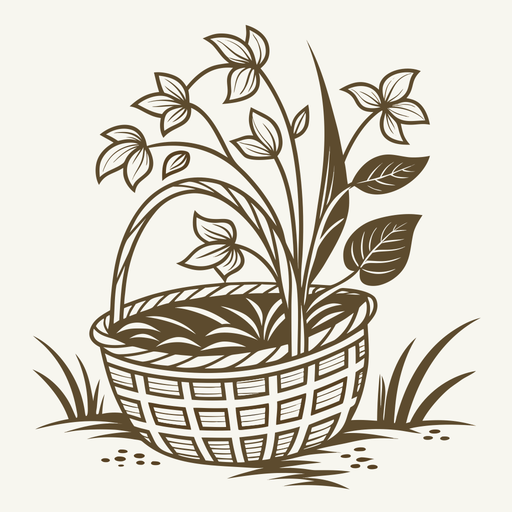
As a buyer seeking high-quality, sustainable homeware, Indonesian water hyacinth baskets offer a compelling option. Crafted by skilled artisans in Central Java, these baskets not only utilize environmentally responsible materials but also support local communities. Our comprehensive guide explores the craftsmanship, pricing, and export considerations of these versatile products.
Craftsmanship and Production Process
The creation of Indonesian water hyacinth baskets is a meticulous process, rooted in the rich tradition of handweaving. Artisans in Central Java harvest the stems of the water hyacinth plant, a notorious invasive species, from local waterways. This material is then dried, with some stems twisted into ropes, and handwoven over metal or rattan frames to form robust and aesthetically pleasing baskets. The drying process is crucial, ensuring the baskets maintain their natural honey-brown hue and structural integrity. These baskets are predominantly produced by small and medium-sized workshops in village settings, where generations of weavers have honed their skills. The process is labour-intensive, with each basket requiring careful attention to detail to meet the high standards expected by international buyers. This craftsmanship not only results in a functional product but also supports sustainable practices by converting an invasive plant into valuable homeware.
Market Demand and Buyer Profiles
Water hyacinth baskets from Indonesia cater to a diverse range of buyers, primarily in the home décor and hospitality sectors. Typical buyers include home décor brands, furniture stores, hospitality projects, and retail chains. These entities value the baskets for their aesthetic appeal and versatility, using them for storage and as decorative accessories. The market demand is robust, with export records showing tens of thousands of shipments over recent years. Buyers often seek multiple sizes and designs, with suppliers offering custom design options to meet specific needs. The competitive pricing, ranging from approximately US$0.50 to US$6.50 depending on complexity and order size, makes these baskets an attractive choice for bulk purchases. This demand is further driven by the eco-friendly narrative that accompanies the use of water hyacinth, appealing to buyers committed to sustainability and ethical sourcing.
Pricing and Minimum Order Quantities
Pricing for Indonesian water hyacinth baskets is competitive, with indicative FOB prices reflecting the basket’s complexity and size. Plain traditional baskets are priced between US$0.50 and US$1.50 per piece for orders of 300 or more. Laundry baskets range from US$2.50 to US$3.75 for orders of 200 to 500 pieces. Decorative and planter baskets are priced from US$3.90 to US$5.50 for orders exceeding 500 pieces. Storage baskets with lids and foldable baskets with handles are priced around US$4.50 and US$6.50, respectively. Suppliers typically require minimum order quantities (MOQs) ranging from 200 to 500 pieces per design or size, ensuring efficient production and supply chain management. Buyers are encouraged to confirm pricing and MOQs with suppliers to align with specific project needs and budget considerations.
Export Compliance and Quality Assurance
Exporting water hyacinth baskets from Indonesia involves compliance with international regulations, including customs, fumigation, and phytosanitary requirements. Baskets are classified under homeware/handicraft HS codes, necessitating adherence to the importing country’s standards. Quality assurance is paramount, with inspections focusing on weaving smoothness, color consistency, and the absence of defects such as cracks or mold. Suppliers often provide pre-shipment inspections, including photos or third-party quality control reports, to verify product quality before dispatch. The use of polypropylene bags for individual basket wrapping and multilayer corrugated cartons with corner protection ensures the baskets arrive undamaged. Buyers are advised to discuss quality assurance measures with suppliers, including the possibility of factory audits or certifications to validate production capabilities.
Sustainability and Environmental Impact
The production of water hyacinth baskets addresses environmental concerns by utilizing an invasive plant species, thus alleviating pressure on other natural fibers like rattan. The water hyacinth plant, known scientifically as Eichhornia crassipes, is harvested from infested waterways, supporting ethical and sustainable sourcing practices. This approach not only mitigates the environmental impact of the invasive species but also provides an affordable raw material for local communities. The conversion of water hyacinth into homeware products is marketed as eco-friendly, resonating with buyers prioritizing sustainability. Sourcing agents recommend verifying the environmental responsibility of harvesting practices, reinforcing the importance of sustainability in the supply chain. This commitment to eco-friendly production enhances the appeal of Indonesian water hyacinth baskets in the global market.
Design Options and Customization
Indonesian water hyacinth baskets offer extensive design options and customization to meet diverse buyer preferences. Common product categories include storage baskets, laundry baskets, decorative planter baskets, lidded baskets, and foldable baskets with handles. Buyers can select from a range of shapes, such as round, oval, square, and rectangular, with options for handles, lids, and lining fabrics. Custom design development is widely available, allowing buyers to specify dimensions and aesthetic details to align with brand identity or project requirements. This flexibility in design is a significant advantage, enabling buyers to create bespoke collections that cater to specific market segments. Suppliers typically offer at least two size options per model, accommodating varying storage needs and space constraints. Engaging with suppliers on design customization ensures a tailored product offering that enhances market differentiation.
Logistics and Lead Times
The logistics of exporting water hyacinth baskets involve careful coordination of production schedules and shipping arrangements. Lead times are influenced by the manual weaving process and the drying of raw materials, necessitating clear communication with suppliers to confirm realistic timelines. Buyers should account for production capacity, potential delays, and shipping logistics when planning orders. Export packaging is designed to protect the baskets during transit, with nesting sets and secure wrapping minimizing the risk of damage. The mature export market for water hyacinth baskets, evidenced by extensive shipment records, supports efficient logistics and reliable delivery. Buyers are encouraged to establish clear expectations regarding lead times and shipping arrangements, ensuring timely receipt of orders in alignment with project timelines.
To explore the full potential of Indonesian water hyacinth baskets for your business, contact us today. Our team is ready to assist with inquiries, provide detailed product information, and facilitate your order process. Discover how our expertly crafted baskets can enhance your product offering and meet your specific needs.