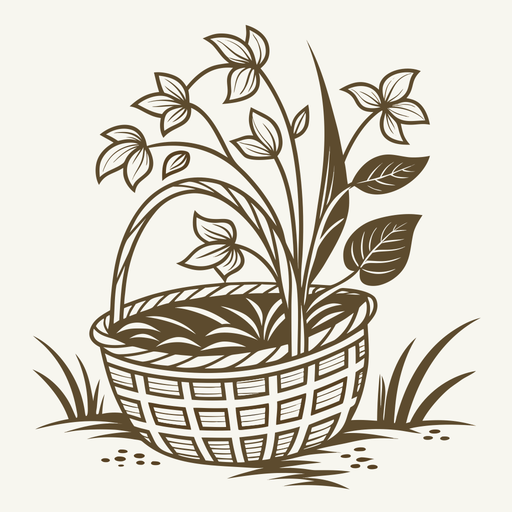
For buyers seeking authenticity and sustainability in their product sourcing, handwoven water hyacinth baskets from Central Java stand out as an ideal choice. These baskets are crafted by skilled artisans in small village workshops, offering a personal touch that machine-made alternatives simply cannot replicate. The use of an invasive plant species as raw material further underscores their eco-friendly appeal.
Artisanal Craftsmanship: A Unique Touch
Handwoven baskets from Central Java are the epitome of artisanal craftsmanship. Each piece is meticulously crafted by skilled artisans who have honed their weaving techniques over generations. This manual process ensures that every basket is unique, with slight variations that add to their charm. In contrast, machine-made baskets often lack this individuality, being mass-produced with an identical finish.
These baskets are created using water hyacinth, an invasive plant harvested responsibly from local waterways. This material is dried and sometimes twisted into ropes before being woven over metal or rattan frames. This intricate process results in baskets with a natural honey-brown tone, a hallmark of untreated water hyacinth. The detailed handwork involved in making these baskets is reflected in their quality and durability, making them a preferred choice for discerning buyers.
Moreover, supporting handwoven products contributes to sustaining traditional weaving communities in Indonesia, ensuring that these valuable skills are passed down through generations. For more insights on the benefits of artisanal products, visit our guides page.
Sustainability and Environmental Impact
Handwoven water hyacinth baskets are an eco-friendly choice, converting an invasive weed into useful products. The water hyacinth plant is globally recognized as invasive, and its responsible harvesting helps manage its spread while providing a sustainable raw material for basket production. This approach reduces the pressure on other natural fibres like rattan.
In Central Java, local communities collect water hyacinth from rivers, lakes, and irrigation canals, transforming a problematic plant into a valuable resource. This process not only aids environmental conservation but also provides a low-cost raw material for artisans. The baskets are marketed as sustainable, appealing to buyers prioritizing eco-conscious products.
For buyers seeking to understand more about sustainable sourcing, we recommend checking official resources such as the Indonesian Ministry of Tourism and trade publications. The sustainability of these baskets aligns with global trends toward eco-friendly products, making them an attractive option for wholesale buyers.
Supporting Local Communities and Economies
Purchasing handwoven water hyacinth baskets supports small and medium-sized enterprises (SMEs) in Indonesia. These baskets are predominantly produced in village-based weaving communities, providing employment and economic stability to local artisans. By choosing handwoven over machine-made products, buyers contribute directly to these communities.
The economic impact extends beyond just the artisans. The entire supply chain, from raw material collection to final production, benefits from increased demand for handwoven baskets. This support helps preserve traditional weaving techniques and drives economic growth in rural areas.
The export of these baskets has been a significant industry in Indonesia since the early 2000s, with brands like the “Bamboo Duck Factory” showcasing their products internationally. Export buyers include home décor brands, furniture stores, and hospitality projects, all of which benefit from the unique appeal of these handcrafted items. For more on the industry and its impact, explore our Indonesian water hyacinth baskets page.
Quality and Craftsmanship Assurance
Handwoven baskets offer a level of quality assurance that is difficult to achieve with machine-made products. Each basket undergoes rigorous quality checks to ensure smooth weaving, uniform colour, and the absence of defects such as cracks or mold. The manual craftsmanship involved means that any imperfections are quickly identified and rectified by the artisans.
Buyers can request pre-shipment inspections, including photos or third-party quality control reports, to verify the weaving quality and colour consistency. This transparency is a significant advantage for international buyers who need assurance of product quality before shipping.
Moreover, the natural drying process of water hyacinth fibres ensures that the baskets are less prone to moisture-related issues, provided they are stored in low-humidity conditions. Such attention to detail in production and quality control makes handwoven baskets a reliable choice for wholesale buyers looking for consistent and high-quality products.
Cost and Pricing Considerations
Handwoven water hyacinth baskets are available at competitive prices, with indicative FOB prices ranging from US$0.50 to US$6.50 per piece, depending on size, complexity, and order quantity. While machine-made baskets might offer lower upfront costs, the unique qualities and sustainability of handwoven baskets provide significant value.
For instance, plain traditional baskets can cost around US$0.50–1.50 per piece for orders of 300 pieces or more. Laundry baskets range from US$2.50–3.75 for 200–500 pieces, and decorative planter baskets are priced at US$3.90–5.50 for orders of 500 pieces or more. These price bands allow buyers to choose products that fit their budget while still supporting sustainable practices.
Considering the retail prices, which often range from US$50 to US$190 for sets of 2–4 pieces, buyers can achieve significant margins. For detailed pricing and MOQ information, visit our guides page.
Customisation and Design Flexibility
One of the key advantages of handwoven baskets is the ability to customise designs to meet specific buyer needs. Suppliers offer a wide range of options, from dimensions and shapes to handles, lids, and lining fabrics. Buyers can specify custom dimensions or choose from standard sizes such as small, medium, and large.
This flexibility allows buyers to develop products that align with their brand and customer preferences. Custom design development is widely available, enabling buyers to create unique products that stand out in the marketplace.
For those interested in exploring customisation options, our suppliers provide extensive design capabilities to cater to diverse needs. Visit our Indonesian water hyacinth baskets page for more on available options and customisation services.
Logistics and Export Considerations
Exporting handwoven water hyacinth baskets involves several logistical considerations, including compliance with phytosanitary and fumigation requirements for plant-based products. Baskets are typically classified under homeware/handicraft HS codes, and suppliers must adhere to the importing country’s regulations.
Standard export packaging involves wrapping each basket in polypropylene bags, nesting sets together, and packing them in multilayer corrugated cartons with corner protection. This ensures the baskets reach their destination without damage.
Lead times for bulk orders are influenced by manual weaving capacity and raw material drying. Buyers are advised to confirm realistic lead times with suppliers to ensure timely delivery. For more on logistics and export requirements, refer to official trade resources such as the Indonesian Ministry of Trade.
To explore our range of handwoven water hyacinth baskets and discuss your specific needs, contact us today. Our team is ready to assist with your enquiries and provide detailed information on product options and pricing. Visit our contact page to get started.