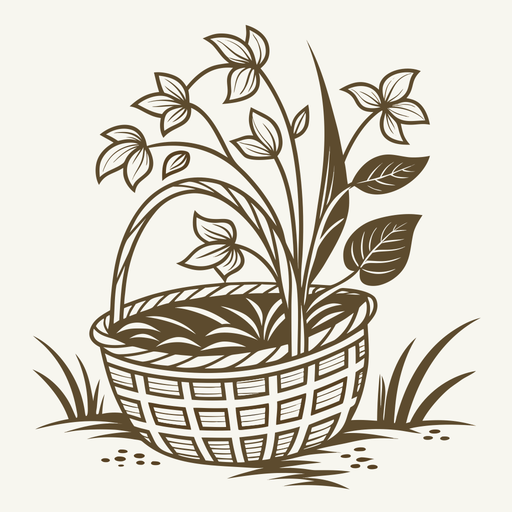
As a buyer navigating the intricate world of Indonesian water hyacinth baskets, understanding quality control is crucial. These handwoven baskets, crafted mainly in Central Java, are a testament to skilled craftsmanship and sustainable practices. For buyers, ensuring the quality of these baskets before they reach international markets is not just an option—it’s a necessity.
Understanding Raw Material: Water Hyacinth
Water hyacinth, scientifically known as Eichhornia crassipes, is the primary material used in these baskets. It’s an invasive aquatic plant, notorious for its rapid growth outside its native Amazon Basin. In Central Java, the plant thrives in local waterways, providing a low-cost and abundant raw material. Ethical suppliers in Indonesia focus on harvesting water hyacinth from infested areas, turning an environmental challenge into an economic opportunity. This approach not only aids in controlling the plant’s spread but also supports local communities by providing a sustainable source of income. For buyers, this means that each basket is not only a product but also a story of environmental responsibility and community empowerment. To ensure quality, the stems are carefully harvested, dried, and sometimes twisted into ropes, ready to be handwoven into baskets.
Production and Weaving Techniques
In Indonesia, water hyacinth baskets are predominantly produced in small village-based weaving communities and SME workshops. The weaving process is labour-intensive and requires skilled artisans who have honed their craft over generations. Typically, the dried stems are woven over metal or rattan frames, creating structured and durable baskets. The untreated baskets display a natural honey-brown tone, which is a hallmark of proper drying. Quality control during production involves checking for smooth weaving and ensuring that the baskets are free from defects like cracks or green mold spots. The weaving technique and the attention to detail are crucial in maintaining the structural integrity and aesthetic appeal of the baskets. For buyers, this means that the quality of the baskets directly correlates with the skill and care invested by the artisans.
Wholesale Pricing and Order Quantities
Pricing for water hyacinth baskets varies based on size, complexity, and order quantity. Wholesale prices typically range from US$0.50 to US$6.50 per piece ex-factory. For instance, plain traditional baskets are priced around US$0.50–1.50 for orders of 300 pieces or more. Laundry baskets can cost between US$2.50 and US$3.75 for 200-500 pieces. Decorative or planter baskets range from US$3.90 to US$5.50 for 500 pieces or more. Minimum order quantities (MOQs) generally range from 200 to 500 pieces per design or size. This pricing structure allows buyers to plan their purchases according to budget and demand. It’s essential for buyers to confirm prices and MOQs with suppliers to ensure alignment with their sourcing strategy.
Quality Control Measures
Quality control in water hyacinth basket production is rigorous. Suppliers conduct thorough inspections to ensure smooth weaving, uniform color, and absence of defects such as cracks, bugs, or mold. Given the natural vulnerability of water hyacinth to moisture, maintaining low-humidity conditions during production and storage is critical to prevent mold growth. Buyers often request pre-shipment inspections, which may include photos or third-party QC reports, to verify the quality before shipping. These checks are essential to meet international standards and ensure customer satisfaction. Buyers should engage with suppliers who demonstrate transparent quality control processes and provide factory certifications or audits to confirm their capability for international orders.
Packaging and Export Compliance
For export, water hyacinth baskets are typically classified under homeware/handicraft HS codes. Compliance with importing countries’ phytosanitary and fumigation requirements is mandatory for plant-based products. Export packaging involves wrapping each basket in PP (polypropylene) bags, nesting sets together, and packing them in multilayer corrugated cartons with corner protection. This method prevents deformation and transit damage. It’s crucial for buyers to verify that suppliers adhere to these standards to avoid delays or issues at customs. Buyers should also confirm that suppliers are aware of and comply with specific import regulations applicable to their markets.
Market Demand and End Uses
Water hyacinth baskets have a wide range of applications, making them popular among international buyers. Common end uses include multipurpose home storage for clothes, towels, toys, magazines, kitchen items, and decorative covers for plant pots. Buyers from home décor brands, furniture stores, and hospitality projects often seek these baskets for their aesthetic appeal and functionality. The eco-friendly aspect of converting an invasive plant into useful products further enhances their marketability. Retail prices for sets of these handcrafted baskets range significantly higher than wholesale costs, often between US$50 to US$190, reflecting their value in the retail market.
Customization and Design Options
Many suppliers offer customization options, allowing buyers to specify dimensions, shapes, handles, lids, and lining fabrics. This flexibility is crucial for buyers looking to differentiate their product offerings. Custom design development is widely available, with suppliers typically offering at least two size options or custom dimensions per model. Buyers can request multiple sizes of the same design, such as small, medium, and large, to cater to diverse consumer needs. This level of customization ensures that buyers can meet specific market demands and offer unique products to their customers.
Lead Times and Supplier Verification
Lead times for handcrafted water hyacinth baskets are influenced by manual weaving capacity and raw material drying. Buyers should confirm realistic lead times with each factory to ensure timely delivery. Suppliers are expected to declare their production capacity and may provide factory certifications or audits. Engaging with reputable suppliers who have a proven track record in the export market is essential for buyers. Sourcing agents specializing in regions like Indonesia recommend verifying whether water hyacinth harvesting is conducted responsibly. This due diligence helps buyers ensure that their supply chain aligns with sustainability goals and ethical practices.
Explore our range of high-quality water hyacinth baskets and ensure your sourcing aligns with international standards. Visit our About page for more insights, or contact us to discuss your specific needs and place an order.
Custom Size Basket Supplier Insights
Custom Size Basket Supplier Insights
Custom size options are becoming a key consideration for water hyacinth basket suppliers, reflecting the growing demand for personalized home storage solutions. By offering custom-sized baskets, suppliers can cater to a diverse range of consumer needs, enhancing their appeal in the competitive market for natural fiber baskets. This trend is particularly relevant for private label brands seeking to differentiate themselves with unique and tailored products. The ability to provide custom sizes allows suppliers to tap into niche markets and meet specific customer requirements, driving growth and expanding their reach. As the trend towards personalized home goods continues to gain traction, suppliers who offer custom size options are well-positioned to capitalize on this demand, providing products that not only meet functional needs but also align with consumer preferences for sustainable and customizable solutions. See our guide: Water Hyacinth Hampers. Understanding Basket Production Capacity