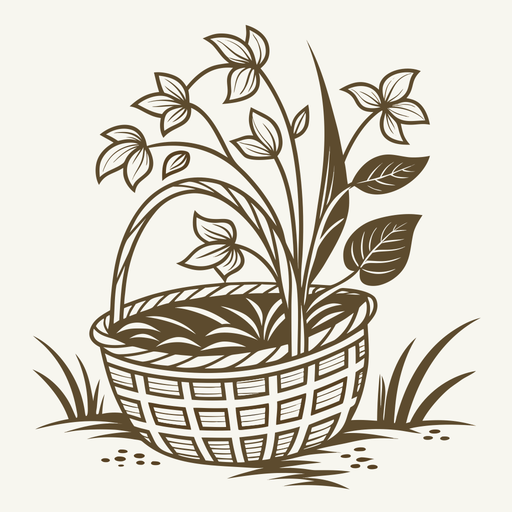
Water hyacinth baskets from Central Java are a staple in the global home décor and storage market. Known for their eco-friendly production and handwoven craftsmanship, these baskets cater to a range of buyers, from home décor brands to hospitality projects. As we look towards 2027, understanding the emerging trends in this sector is crucial for buyers aiming to leverage these products in their offerings.
Understanding the Raw Material: Water Hyacinth
Water hyacinth (Eichhornia crassipes) is the primary raw material for these baskets. This plant, native to the Amazon Basin, has become invasive in many parts of the world. In Indonesia, particularly in Central Java, it is harvested responsibly from infested waterways. This ethical harvesting not only helps control the spread of this invasive species but also provides a low-cost raw material for local communities. The dried stems are then used in weaving, creating a natural honey-brown tone in the finished products. The environmental impact is minimized, as the baskets are crafted without depleting other natural resources like rattan. This sustainability angle is a key selling point for eco-conscious buyers, who can learn more about the process on our dedicated page.
Production Processes and Techniques
The production of water hyacinth baskets is rooted in the craftsmanship of village-based workshops and small to medium enterprises in Indonesia. These baskets are handwoven, often over metal or rattan frames, creating a variety of shapes and sizes. The process involves drying the stems thoroughly to prevent moisture-related issues like mold. Quality checks are essential, focusing on smooth weaving and uniform color. Typical production sees baskets sold wholesale at prices ranging from US$0.50 to US$6.50 per piece, depending on complexity and order size. Buyers should confirm prices and minimum order quantities (MOQs), which usually range from 200 to 500 pieces per design.
Current and Emerging Market Trends
As we approach 2027, several trends are emerging in the water hyacinth basket market. Customization is increasingly in demand, with buyers seeking specific dimensions, shapes, and features like handles or lids. This flexibility allows brands to tailor products to their market needs. Additionally, international buyers are focusing on sustainable sourcing, ensuring that the water hyacinth is harvested in an environmentally responsible manner. The competitive pricing of these baskets, combined with their eco-friendly appeal, positions them as attractive options for wholesale buyers. For further insights into these trends, visit our product page.
Export Considerations and Compliance
Exporting water hyacinth baskets involves navigating various compliance requirements. In Indonesia, these products fall under the homeware/handicraft HS codes and must meet the importing country’s phytosanitary and fumigation standards. This ensures that plant-based products are free from pests and disease. Buyers often request pre-shipment inspections to verify quality and compliance. These inspections can include third-party quality control reports and photographic evidence. Understanding these requirements is crucial for smooth international transactions, and buyers can find more information through official Indonesian trade resources.
Market Applications and End Uses
Water hyacinth baskets are versatile in their applications. Commonly used for home storage, they serve as containers for clothes, towels, toys, and even dry foods like fruit and bread. Their aesthetic appeal makes them suitable as decorative pieces, particularly as planter covers. The eco-friendly narrative of these baskets enhances their marketability, appealing to consumers who value sustainability. Retail sets often include multiple sizes, catering to varied storage needs. This flexibility in use and design broadens their appeal across different market segments.
Pricing Structures and Value Proposition
Understanding the pricing structure is vital for buyers. Wholesale prices, as previously mentioned, range from US$0.50 to US$6.50 per basket. These prices are influenced by factors such as size, complexity, and order volume. Retail prices can significantly exceed wholesale costs, with sets retailing from US$50 to US$190, depending on the brand and market. This markup reflects the added value of custom designs and the eco-friendly narrative. Buyers are advised to negotiate terms that align with their budget and market strategy, ensuring a competitive edge in their offerings.
Quality Assurance and Lead Times
Quality assurance is a critical component of the water hyacinth basket supply chain. Buyers should ensure that suppliers conduct thorough quality checks, focusing on weaving quality, color consistency, and absence of defects. Lead times for production can vary, influenced by factors like manual weaving capacity and raw material drying times. It’s advisable for buyers to confirm realistic lead times with their suppliers to manage expectations and meet market demand. For additional guidance on quality assurance, buyers can refer to international trade best practices.
Conclusion and Call to Action
As the market for water hyacinth baskets continues to evolve, staying informed about emerging trends and compliance requirements is essential for buyers. The blend of sustainability, competitive pricing, and customization makes these products a compelling choice for international markets. For more detailed information and to explore our offerings, please visit our contact page and connect with us for tailored solutions to meet your business needs.
Related guide: Woven Storage Solutions