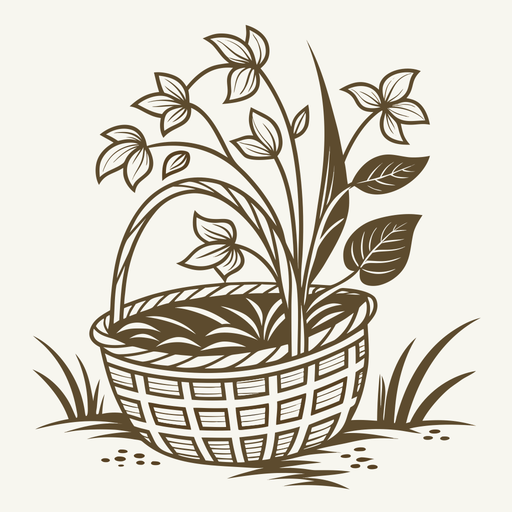
For businesses seeking sustainable storage solutions, water hyacinth baskets from Indonesia offer a compelling choice. These baskets, crafted by skilled artisans, convert an invasive aquatic plant into stylish homeware. They’re not only eco-conscious but also versatile, providing multipurpose storage options for various settings. As demand for environmentally responsible products grows, these baskets are increasingly popular among home décor brands, hospitality projects, and retail chains.
Sourcing Water Hyacinth: Ethical and Sustainable Practices
Water hyacinth (Eichhornia crassipes) is renowned for its invasive nature, posing challenges in waterways globally. In Indonesia, particularly Central Java, ethical harvesting practices are vital. Local communities gather the plant from rivers, lakes, and irrigation canals, ensuring no cultivation is necessary. This approach reduces environmental impact and provides a low-cost raw material for basket weaving. By responsibly harvesting hyacinth, suppliers contribute to environmental conservation while supporting local economies. Interested buyers can verify ethical practices by consulting Indonesia’s official trade resources.
Artisanal Craftsmanship: The Weaving Process
The transformation of water hyacinth into baskets involves meticulous craftsmanship. Artisans dry the stems, sometimes twisting them into ropes, and weave them over metal or rattan frames to create structured designs. The natural honey-brown tone of untreated hyacinth adds a warm aesthetic. These baskets are typically produced in small village-based workshops, with export experience dating back to the early 2000s. Buyers can expect quality checks for smooth weaving, uniform color, and absence of defects. For those interested in specific designs or sizes, many suppliers offer customization options.
Market Demand: Who Buys These Baskets?
Water hyacinth baskets have gained traction among diverse buyers. Home décor brands, furniture stores, and hospitality projects are typical customers. Retail chains incorporate these baskets as both storage and decorative accessories. Common uses include storing clothes, towels, toys, and even dry foods like fruit and bread. With retail prices ranging from US$50 to US$190 for sets, these baskets present a profitable opportunity for resellers. Export statistics reflect a mature market, with thousands of shipments recorded annually, indicating strong global demand.
Pricing and Order Quantities: What to Expect
Wholesale prices for water hyacinth baskets vary based on size, complexity, and order quantity. Indicative FOB prices range from US$0.50–1.50 for plain baskets to US$6.50 for foldable designs with handles. Suppliers generally require minimum order quantities (MOQs) of 200 to 500 pieces per design. Buyers should confirm specific prices and MOQs with suppliers to ensure they meet business needs. Export-oriented suppliers often provide factory audits to demonstrate their production capabilities.
Export Compliance and Quality Assurance
Exporting water hyacinth baskets from Indonesia involves adhering to homeware/handicraft HS codes and complying with importing countries’ phytosanitary and fumigation requirements. Pre-shipment inspections, including third-party QC reports, are common to verify quality and consistency. Suppliers are expected to declare production capacities and ensure thorough drying to prevent mold. Interested buyers can learn more about regulations from Indonesia’s Ministry of Trade.
Customization and Design Flexibility
Customization is a significant advantage in the water hyacinth basket market. Buyers can specify dimensions, shapes, handles, lids, and lining fabrics. Suppliers typically offer at least two size options per design, accommodating diverse buyer preferences. This flexibility allows businesses to tailor products to specific market demands, enhancing their appeal to end-users. The ability to develop custom designs ensures that buyers receive products that align with their branding and functional requirements.
Packaging and Shipping Considerations
Proper packaging is crucial for maintaining the quality of water hyacinth baskets during transit. Export packaging generally involves wrapping each basket in polypropylene bags, nesting sets together, and packing them in multilayer corrugated cartons with corner protection. This method prevents deformation and damage. Suppliers often collaborate with buyers to ensure packaging meets specific shipping requirements, minimizing risks during international transport. Buyers are encouraged to discuss packaging preferences with suppliers to align with logistical needs.
Lead Times and Production Capacity
Lead times for handcrafted water hyacinth baskets are influenced by manual weaving capacity and raw material drying. Buyers should confirm realistic lead times with each factory, considering order volume and complexity. While some suppliers may offer expedited production for large orders, planning ahead is advisable to meet deadlines. By understanding production timelines, buyers can better manage inventory and supply chain schedules, ensuring timely delivery to their end customers.
For businesses exploring sustainable storage solutions, water hyacinth baskets from Indonesia present a viable and eco-friendly option. To learn more about our product offerings and initiate an enquiry, visit our contact page.
Related guide: Exploring Water Hyacinth Crafts