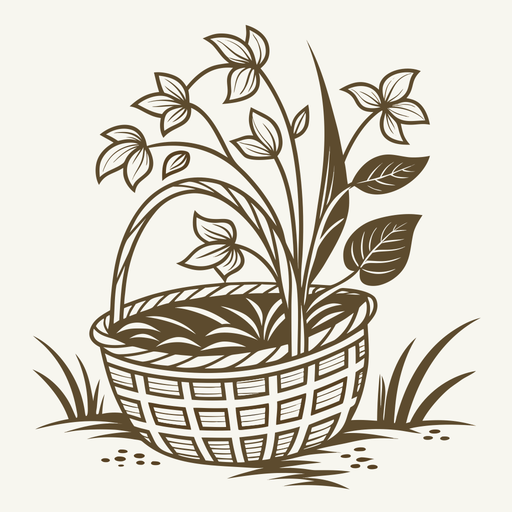
The demand for handmade water hyacinth baskets from Indonesia is soaring, with Central Java at the heart of production. Buyers from home décor brands to hospitality projects are increasingly drawn to these eco-friendly, versatile products. They offer competitive pricing and are crafted from the invasive water hyacinth plant, making them both sustainable and appealing in the global market.
Central Java’s Basket Weaving Tradition
Central Java is home to a rich tradition of basket weaving, where small village-based communities and SME workshops have honed their skills over decades. The water hyacinth plant, Eichhornia crassipes, is a prolific aquatic weed prevalent in the region’s waterways. Local craftsmen harvest and dry the plant’s stems, transforming them into beautiful, functional baskets. This practice not only supports local economies but also helps control the spread of this invasive species. Workshops in Central Java have been exporting these baskets since the early 2000s, with brands like the “Bamboo Duck Factory” leading the way. These workshops produce a wide range of products, from simple storage baskets to intricate decorative pieces, meeting the diverse needs of international buyers.
Understanding Wholesale Pricing
Water hyacinth baskets from Central Java are available at competitive wholesale prices, making them an attractive option for bulk buyers. Prices range from US$0.50 to US$6.50 per piece, depending on the basket’s size, complexity, and order quantity. For instance, plain traditional baskets are priced at approximately US$0.50–1.50 per piece for orders of 300 or more, while decorative planter baskets range from US$3.90 to US$5.50 for orders of 500 or more. Buyers should note that suppliers typically require minimum order quantities (MOQs) between 200 to 500 pieces per design. This pricing structure benefits buyers looking to purchase in bulk, offering significant cost savings compared to retail prices.
Production and Quality Assurance
The production of water hyacinth baskets involves meticulous craftsmanship and quality control. Stems are dried and sometimes twisted into ropes, then handwoven over metal or rattan frames. Quality assurance is critical, with standard checks including inspections for smooth weaving, uniform colour, and absence of defects such as cracks or mould. As natural fibres, water hyacinth baskets are susceptible to moisture, necessitating thorough drying and storage in low-humidity conditions. For export, suppliers ensure compliance with the importing country’s phytosanitary and fumigation requirements, guaranteeing that the baskets meet international standards.
Eco-Friendly and Sustainable Products
Water hyacinth baskets are promoted as eco-friendly and sustainable products. By converting an invasive weed into a useful commodity, these baskets reduce the demand for other natural fibres like rattan, alleviating environmental pressure. Ethical suppliers in Central Java emphasize responsible harvesting from infested waterways, aligning with global sustainability trends. This approach not only addresses environmental concerns but also adds value for buyers seeking green products. Many suppliers also offer custom design options, allowing buyers to tailor products to their specifications, further enhancing their market appeal.
Customisation and Design Flexibility
Customisation is a key feature of the water hyacinth basket market in Indonesia. Buyers can specify dimensions, shapes, handles, lids, and lining fabrics to suit their needs. Suppliers typically offer multiple sizes for each design, catering to diverse customer preferences. Whether it’s a set of round, oval, square, or rectangular baskets, the flexibility in design ensures that buyers can find the perfect match for their market. This adaptability is particularly appealing to international buyers seeking unique, bespoke products for their clientele.
Export and Logistics Considerations
Exporting water hyacinth baskets from Indonesia involves several logistical considerations. Baskets are classified under homeware/handicraft HS codes and must comply with phytosanitary and fumigation regulations. Packaging typically includes wrapping each basket in PP bags, nesting sets together, and packing them in multilayer corrugated cartons with corner protection. Lead times for bulk orders depend on manual weaving capacity and raw material drying, so buyers should confirm realistic timelines with suppliers. Pre-shipment inspections, including third-party QC reports, are common to verify product quality before shipping.
Market Demand and Retail Potential
The global market for water hyacinth baskets is robust, with numerous brands and retailers offering these products at significant markups. Retail prices for sets of 2-4 baskets range from US$50 to US$190, far above the FOB basket unit costs. This disparity highlights the lucrative potential for wholesale buyers. The baskets are used for multipurpose home storage, covering a variety of needs from clothes and towels to kitchen items and decorative plant covers. As a mature market, it offers ample opportunities for new entrants to capture a share of this thriving sector.
Conclusion and Call to Action
With their combination of competitive pricing, sustainability, and customisation options, water hyacinth baskets from Central Java are an excellent choice for wholesale buyers. If you’re interested in exploring these eco-friendly products further, we invite you to contact us for more information or to discuss your specific needs. Our team is ready to assist with inquiries and provide detailed insights into our offerings. For more on our range, visit our water hyacinth hampers page.
Related guide: Natural Look Baskets