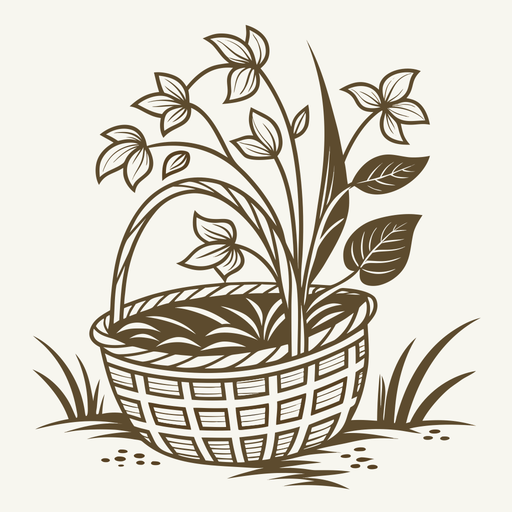
Transforming the invasive water hyacinth into valuable products is a brilliant example of turning a problem into a solution. As a buyer in the B2B export market, understanding the benefits of plant-based materials in basket making can enhance your product offerings with sustainable and eco-friendly options. Water hyacinth baskets from Central Java stand out due to their quality, competitive pricing, and the support they provide to small and medium enterprises.
The Environmental Benefits of Using Water Hyacinth
Water hyacinth, known scientifically as Eichhornia crassipes, is an invasive aquatic plant that poses significant ecological challenges globally, particularly outside its native Amazon Basin. However, its rapid growth and abundance offer an opportunity for sustainable material sourcing. In Central Java, Indonesia, local communities harvest water hyacinth from infested waterways. This practice not only provides a low-cost raw material but also helps manage the plant’s invasive nature, preventing damage to aquatic ecosystems. By choosing baskets made from water hyacinth, buyers support environmentally responsible practices. These baskets are marketed as eco-friendly alternatives, reducing pressure on traditional natural fibers such as rattan. The use of water hyacinth in basket making exemplifies the circular economy, where waste is transformed into valuable products. This approach aligns with global sustainability goals and offers businesses a way to enhance their green credentials while supporting local economies. For more on Indonesia’s commitment to sustainable handicrafts, visit the official Indonesian tourism site.
Economic Impact on Local Communities
The production of water hyacinth baskets significantly benefits small village-based weaving communities and SME workshops in Indonesia. These enterprises have been exporting since the early 2000s, with brands like the Bamboo Duck Factory leading the charge since 2001. By purchasing these baskets, buyers are directly supporting the livelihoods of artisans and their families. The typical wholesale price range for these baskets is US$0.50–6.50 per piece ex-factory, making them an affordable yet high-quality option for international buyers. The economic impact extends beyond direct employment. It fosters skill development among artisans and encourages investment in local infrastructure. It also promotes gender equality, as many artisans involved in basket weaving are women. By sourcing from these communities, buyers contribute to a sustainable supply chain that prioritizes fair wages and ethical practices. This aligns with growing consumer demand for ethically produced goods and enhances the social value of your product offerings. For more on Indonesia’s SME development, see Indonesia’s Ministry of Industry.
Design Versatility and Customization Options
Water hyacinth baskets offer remarkable design versatility, appealing to diverse markets. Common product categories include storage baskets, laundry baskets, planter baskets, and more. Buyers can request multiple sizes for the same design, with suppliers typically offering small, medium, and large options. Additionally, custom design development is widely available. Buyers can specify dimensions, shapes, handles, lids, and lining fabrics, allowing for unique product offerings tailored to specific customer needs. The handwoven nature of these baskets ensures each piece is unique, with the natural honey-brown tone of untreated water hyacinth adding a rustic charm. This versatility is ideal for home décor brands, furniture stores, and hospitality projects seeking to provide aesthetically pleasing and functional storage solutions. By offering a range of customization options, suppliers cater to the specific demands of international buyers, ensuring that each order meets the desired specifications and quality standards. Explore our guides for more on design options.
Quality and Durability Considerations
Quality is paramount when it comes to water hyacinth baskets. Standard quality checks include inspecting weaving smoothness, color uniformity, and ensuring the absence of cracks or mold. The drying process is crucial; water hyacinth baskets are vulnerable to moisture, so thorough drying and low-humidity storage are essential to prevent mold. Finished products must be kept in optimal conditions to maintain their quality during transit. Suppliers often provide pre-shipment inspections, including photos or third-party QC reports, to verify the quality before shipping. This transparency builds trust with buyers, ensuring that the baskets meet international standards. Despite their natural vulnerability to moisture, with proper care, these baskets are durable and long-lasting. They offer a sustainable alternative to synthetic materials, aligning with consumer preferences for eco-friendly products. For more on maintaining basket quality, visit our eco-friendly baskets page.
Logistics and Export Considerations
Exporting water hyacinth baskets from Indonesia involves standard customs, fumigation, and phytosanitary compliance under homeware/handicraft HS codes. Buyers should confirm the importing country’s specific requirements to avoid delays. Minimum order quantities typically range from 200 to 500 pieces per design or size, and suppliers are expected to declare their production capacity with potential factory certifications. Packaging is designed to protect the baskets during transit, with each basket wrapped in PP bags, nested together, and packed in multilayer corrugated cartons. Corner protection prevents deformation and damage. Lead times depend on manual weaving capacity and raw material drying, so it’s crucial for buyers to confirm realistic timelines with suppliers. The mature, competitive export market for water hyacinth baskets ensures a reliable supply chain, with tens of thousands of shipment records and a wide range of international buyers and suppliers. For more on Indonesian export regulations, see Indonesia Investments.
Market Trends and Retail Opportunities
The global market for water hyacinth baskets is robust, with numerous brands offering these products at retail prices significantly above the FOB unit costs. Retail prices commonly range from US$50 to US$190 for sets of 2-4 pieces, providing substantial margins for retailers. A typical retail set of four assorted handled baskets is advertised around US$110, discounted from a regular price near US$192. This price point reflects the value consumers place on handcrafted, eco-friendly products. The demand for sustainable home décor continues to grow, driven by consumer preferences for environmentally responsible goods. Buyers in the B2B sector can capitalize on this trend by offering water hyacinth baskets as part of their product portfolio. By aligning with consumer values and providing high-quality, customizable options, businesses can enhance their market position and drive sales. For more insights into market trends, explore our guides.
Conclusion and Call to Action
Choosing plant-based materials like water hyacinth for basket making offers numerous benefits, from environmental sustainability to supporting local economies. By integrating these products into your offerings, you align with global sustainability goals and meet consumer demand for eco-friendly solutions. Ready to enhance your product line with water hyacinth baskets? Contact us today through our contact page to discuss your requirements and explore our diverse range of customizable options.