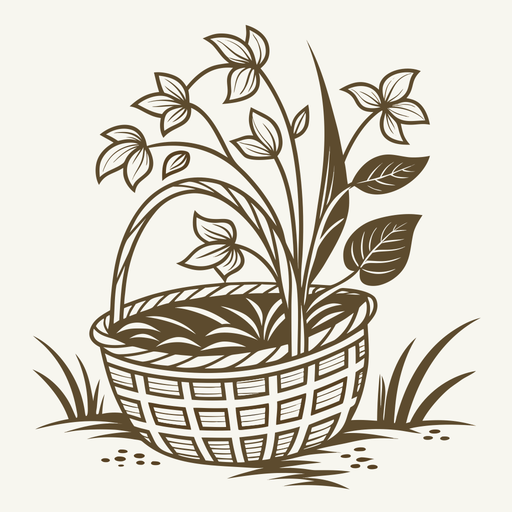
For buyers in the home décor and furniture sectors, understanding the nuances between water hyacinth and rattan is crucial. These materials, while both natural, serve different needs and sustainability goals. Water hyacinth, harvested from infested waterways in Indonesia, offers an eco-friendly alternative to traditional rattan, known for its strength and longevity. Your choice will impact not only product aesthetics but also cost, functionality, and environmental footprint.
Material Characteristics: Water Hyacinth vs Rattan
Water hyacinth (Eichhornia crassipes) is an invasive aquatic plant, harvested from rivers and lakes in Central Java, Indonesia. Its stems, once dried, are handwoven into baskets, providing a natural honey-brown tone. Rattan, on the other hand, is a climbing palm native to tropical regions, known for its strength and flexibility. While both materials are natural, they offer different tactile experiences. Water hyacinth is softer and provides a unique texture, while rattan is sturdier and offers a more traditional woven appearance. This difference means water hyacinth is often used for decorative baskets, while rattan is preferred for heavy-duty furniture.
Eco-Friendliness and Sustainability
Water hyacinth baskets are marketed as eco-friendly because they utilize an invasive species, reducing environmental pressure. The material is collected responsibly from infested waterways, turning a problematic weed into a useful product. This contrasts with rattan, which, although renewable, requires careful harvesting to prevent deforestation. Buyers prioritizing sustainability may opt for water hyacinth to support ecological balance. Moreover, by choosing water hyacinth, you contribute to local economies in Central Java, where small workshops depend on this craft. For more on sustainable practices, visit our eco-friendly baskets page.
Cost and Pricing
Water hyacinth baskets from Central Java are cost-effective, with wholesale prices ranging from US$0.50 to US$6.50 per piece, depending on size and complexity. Rattan products generally command higher prices due to their durability and the labor-intensive process of harvesting and weaving. Buyers can expect to pay more for rattan, especially for larger or more intricate designs. The affordability of water hyacinth makes it an attractive option for large-scale orders, particularly for retail chains looking to balance quality with cost efficiency. Confirm current prices with suppliers, as they can vary based on order quantities.
Design and Customization Options
Water hyacinth offers versatile design possibilities. It can be woven into various shapes—round, oval, square, and rectangular—and sizes, catering to diverse aesthetic preferences. Buyers can specify dimensions, handle types, and even linings. This flexibility is a notable advantage over rattan, which, while also customizable, tends to follow more traditional designs. Custom designs in water hyacinth are widely offered, allowing for unique product lines that align with brand identity. For detailed design options, explore our guides.
Market Demand and Applications
Water hyacinth baskets have a broad market appeal, especially in home décor and hospitality sectors. They serve as multipurpose storage solutions for clothes, towels, toys, and magazines, and as decorative covers for plant pots. This versatility makes them popular among home décor brands and retail chains. Rattan, with its robust nature, is sought after for furniture and larger structural items. Understanding these market demands can help buyers align their product offerings with consumer preferences, ensuring better market penetration and sales performance.
Quality Assurance and Export Compliance
Exporting water hyacinth baskets involves strict quality checks. Inspections focus on smooth weaving, uniform color, and the absence of defects like cracks or mold. Compliance with international phytosanitary and fumigation requirements is mandatory, ensuring products meet safety standards. Rattan products undergo similar scrutiny, with added emphasis on structural integrity. Buyers often request pre-shipment inspections or third-party QC reports to verify product quality. For more on export regulations, visit Indonesia Investments.
Logistics and Supply Chain Considerations
Water hyacinth baskets require careful handling and storage to prevent moisture damage. They are typically wrapped in polypropylene bags, nested, and packed in multilayer corrugated cartons for export. Rattan products, being more rigid, may require less protective packaging but demand careful handling to avoid breakage. Lead times for water hyacinth baskets are influenced by manual weaving capacity and drying processes. Buyers should confirm realistic timelines with suppliers to ensure timely delivery. For detailed logistics information, refer to Trade.gov.
Innovations in Water Hyacinth Basket Production
Recent innovations in the production of water hyacinth baskets have focused on enhancing the durability and aesthetic appeal of the products. Manufacturers are experimenting with blending water hyacinth with other natural fibers or even recycled materials to improve strength and longevity. Additionally, the use of natural dyes sourced from local plants is gaining popularity, offering a wider range of color options while maintaining eco-friendliness. Techniques like laser cutting and 3D weaving are also being explored to introduce intricate patterns and designs that were previously unattainable with traditional methods. These innovations not only expand the product’s marketability but also open new avenues for creative expression in design.
Community Impact and Ethical Sourcing
The production of water hyacinth baskets significantly impacts local communities in Indonesia. The industry provides employment opportunities, particularly for women who make up a large portion of the workforce in weaving workshops. Ethical sourcing practices ensure that artisans receive fair wages and work in safe conditions. By purchasing from ethical suppliers, buyers contribute to the economic well-being of these communities, promoting social responsibility. Transparency in supply chain practices is crucial, with many suppliers offering detailed information about the origins of their products and the conditions under which they are produced. This commitment to ethical practices enhances the appeal of water hyacinth baskets in international markets.
Trends and Future Prospects
The demand for eco-friendly products is on the rise, positioning water hyacinth baskets as a desirable option for conscious consumers. The trend towards minimalist and sustainable living spaces has increased interest in natural materials, with water hyacinth fitting perfectly into this narrative. As consumers continue to seek products that reflect their values, the market for water hyacinth baskets is expected to grow. Future prospects include expanding into new markets that are just beginning to embrace sustainable home décor, such as certain regions in Europe and North America. Furthermore, collaborations with designers to create exclusive collections can drive interest and elevate the profile of water hyacinth products globally.
Choosing between water hyacinth and rattan depends on your specific needs and values. Prioritizing sustainability, cost, or design flexibility, both materials have unique advantages. To explore how water hyacinth baskets can enhance your product line, contact us today at Water Hyacinth Baskets Export.