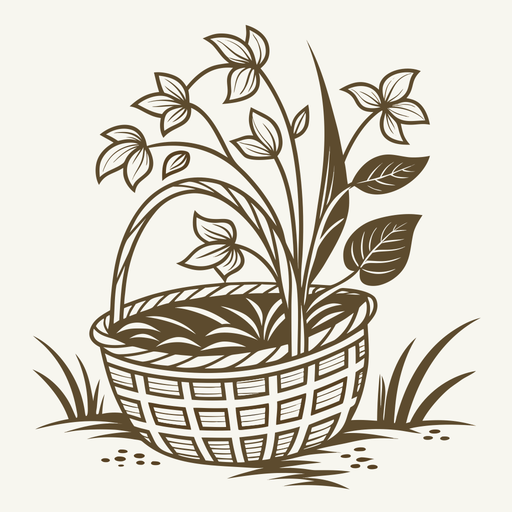
For businesses seeking sustainable homeware, lidded storage baskets made from water hyacinth are a top choice. These baskets not only provide functional storage but also add a touch of natural beauty to any space. Crafted by small and medium-sized workshops in Central Java, each piece tells a story of skilled craftsmanship and environmental consciousness. As an invasive plant, water hyacinth is transformed from a waterway menace into a versatile product, showcasing the ingenuity of Indonesian artisans.
Understanding Water Hyacinth as a Material
Water hyacinth, scientifically known as Eichhornia crassipes, is a fast-growing aquatic plant native to the Amazon Basin. Due to its invasive nature, it has spread globally, often clogging waterways and disrupting ecosystems. In Indonesia, particularly in Central Java, local communities harvest this plant from rivers and lakes, turning a problem into a resource. The stems are dried and sometimes twisted into ropes, forming the foundation for crafting baskets and other homeware items. This sustainable approach not only helps manage the invasive species but also provides a low-cost raw material for local artisans. The dried stems exhibit a natural honey-brown hue, contributing to the aesthetic appeal of the finished products.
The Craft of Weaving Lidded Storage Baskets
The art of weaving water hyacinth baskets is a skill passed down through generations in Central Java. Artisans, often working in small village-based workshops, handcraft these baskets over metal or rattan frames. The process involves meticulous attention to detail, ensuring each basket is smooth, uniform in color, and free from defects like cracks or mold. During production, the baskets are thoroughly dried to prevent moisture-related issues, maintaining their quality throughout storage and shipping. This craftsmanship results in durable and attractive lidded storage baskets that appeal to international buyers, including home decor brands and retail chains.
Related: Indonesian Water Hyacinth Baskets.
Market Trends and Buyer Preferences
The demand for eco-friendly home decor has surged, with water hyacinth baskets fitting neatly into this trend. Buyers often seek multiple sizes of the same design, such as small, medium, and large, to cater to diverse storage needs. Customization is key, with suppliers offering options for dimensions, shapes, and additional features like handles or linings. Common uses for these baskets include storing clothes, towels, toys, and kitchen items, as well as serving as decorative plant covers. With wholesale prices for lidded storage baskets around US$4.50, buyers can enjoy a significant markup when retailing these items, which often sell for US$50 to US$190 per set.
Related: Water Hyacinth Basket Set.
Export Considerations and Compliance
Exporting water hyacinth baskets involves adhering to various regulations and quality standards. In Indonesia, these products fall under general handicraft and homeware regulations, requiring standard customs, fumigation, and phytosanitary compliance. Buyers are advised to request pre-shipment inspections and quality checks, which typically include verifying weaving quality, color consistency, and labeling. Supplier transparency regarding production capacity and certifications is also crucial for ensuring successful international transactions. For more details on home decor exports, visit Indonesia’s official trade portal.
Pricing and Order Quantities
Wholesale pricing for water hyacinth baskets varies based on size, complexity, and order quantity. For instance, plain traditional baskets are priced at approximately US$0.50–1.50 per piece for orders of 300 or more, while lidded storage baskets are around US$4.50 per piece. Minimum order quantities (MOQs) typically range from 200 to 500 pieces per design or size, depending on the supplier. These indicative prices highlight the cost-effectiveness of sourcing from Central Java, making it an attractive option for bulk buyers looking to expand their eco-friendly product lines.
Sustainability and Environmental Impact
Water hyacinth baskets are celebrated for their sustainability, converting an invasive weed into a valuable product. This practice not only reduces the environmental impact of the plant but also alleviates pressure on other natural fibers like rattan. Ethical suppliers emphasize environmentally responsible harvesting, prioritizing the removal of water hyacinth from infested waterways rather than cultivating it. This approach supports local ecosystems while providing income opportunities for communities involved in the craft. Buyers are encouraged to verify the environmental practices of their suppliers, ensuring alignment with sustainability goals.
Logistics and Shipping
Efficient logistics are crucial for the successful export of water hyacinth baskets. Suppliers typically wrap each basket in polypropylene bags, nest sets together, and pack them in multilayer corrugated cartons with corner protection. This packaging method minimizes the risk of damage during transit. Lead times for bulk orders are influenced by the manual weaving process and raw material drying, so buyers should confirm realistic timelines with their suppliers. The mature and competitive market for these baskets is evidenced by the numerous brands and buyers globally, as recorded in export statistics databases.
Ready to explore the possibilities of water hyacinth baskets for your business? Contact us today to discuss your specific needs and discover how we can support your eco-friendly product line. Visit our contact page to get started.
Related guide: Understanding Basket Production Capacity